Kenya Safaris
When it comes to remarkable safaris that stay with many visitors forever, Kenya stands out. From open boundaryless savannas, to towering mountains, and a rich cultural depth like that of Maasai. Being easily accessible plus national parks that support abundant wildlife, including the Big Five, while offering world class accommodation, makes Kenya one of the most vibrant safari destinations in Africa.
The great Wildebeest migration in the Masa Mara.
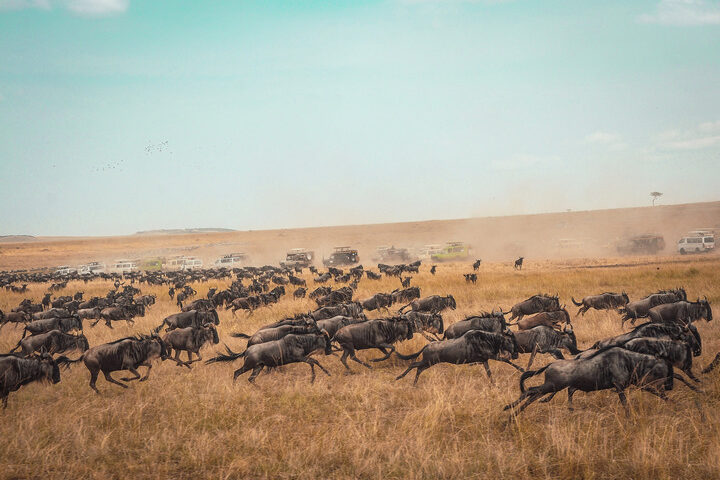
The world’s largest migrating animal event is Kenya’s top-rated tourism activity, and pulls over 1.5 million wildebeests, along with big populations of gazelles and zebras, undertaking a historic annual journey across the Serengeti Mara ecosystem in search of greener pasture and enough drinking water. Kenya’s Maasai Mara brings the peak moments of this event especially from July to October.
The most eye-catching moments occur during Mara river crossings, where wildebeest dive into crocodile infested waters in their thousands, as other predators wait on the lake shores. The wildlife event is one of the greatest natural spectacles on Earth.
Where to Next?
Top Kenya Safaris
3 Days Masai Mara Safari
Overview Honestly, this 3 days Masai Mara safari offers more than an exploration of Kenya’s...Continue reading→
10 Days Great Migration Safari Kenya
Overview This 10 days Great Migration safari in Kenya takes you to the 1,510 sq.km....Continue reading→
7 Days Masai Mara, Lake Nakuru & Amboseli Safari
Overview This 7 days Masai Mara, Lake Nakuru and Amboseli safari offers a combination of...Continue reading→
5 Days Masai & Lake Nakuru Safari
Overview This 5 days Masai Mara and Lake Nakuru safari combines wildlife viewing and cultural...Continue reading→
Destinations
Kenya’s Notable National Parks
This is Kenya’s most celebrated safari destination. The Mara River is the key dominant feature of the land, and is one of the most iconic spots for best predator sightings. Game viewing in Maasai Mara, given the high concentration of wildlife, can be done at any time of the year, but the wildebeest migration period is the most sought-after activity.
Widely renowned for its large elephant herds, and spectacular views of the majestic Mount Kilimanjaro, Amboseli also boasts huge populations of elephants, and a variety of different bird species making it not only a wildlife tourism hub but also a birder’s paradise. The spot draws both local and international visitors seeking a deeper wilderness experience without discomfort.
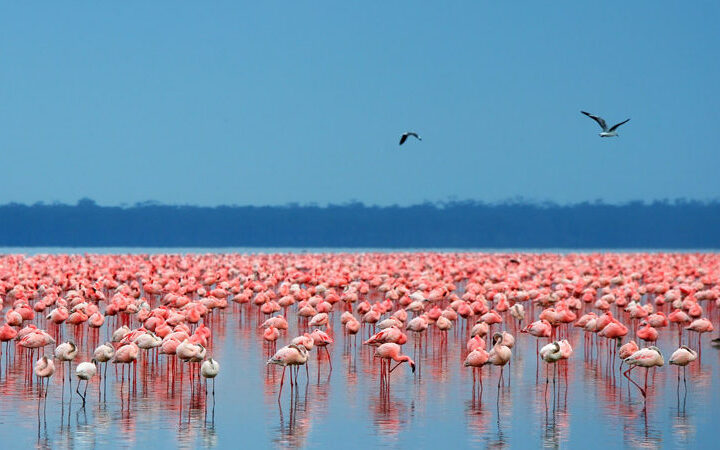
What comes to many traveler’s minds once they hear the name Nakuru? Flamingos. The spot supports them in abundance even though numbers tend to fluctuate depending on the water levels. However, several other water birds like the pelicans can be spotted especially along the lake shores. Rhinos are another eye-catching natural attraction of the area, and both the black and white rhinos can be spotted unlike in Uganda where only the white ones are present.
Samburu is for visitors who seek deeper wildlife encounters. Ewaso Nyiro River is the key feature, however the “Special Five” species that are not so common in other national parks like the reticulated giraffe, Grevy’s zebra, reticulated giraffe, Somali ostrich, gerenuk, and Beisa oryx. Elusive leopards and cheetahs can also be spotted around Samburu.
The tourism hotspot is renowned as Uganda’s smallest savanna park, and is dominated by acacia woodlands, lakes, and zebra populations. The compact park is for passionate travelers who seek nature walking safaris, exciting boat rides, and spotting impalas in abundance.
Most Popular Activities
Top Tourist Activities in Kenya
Game Drives.
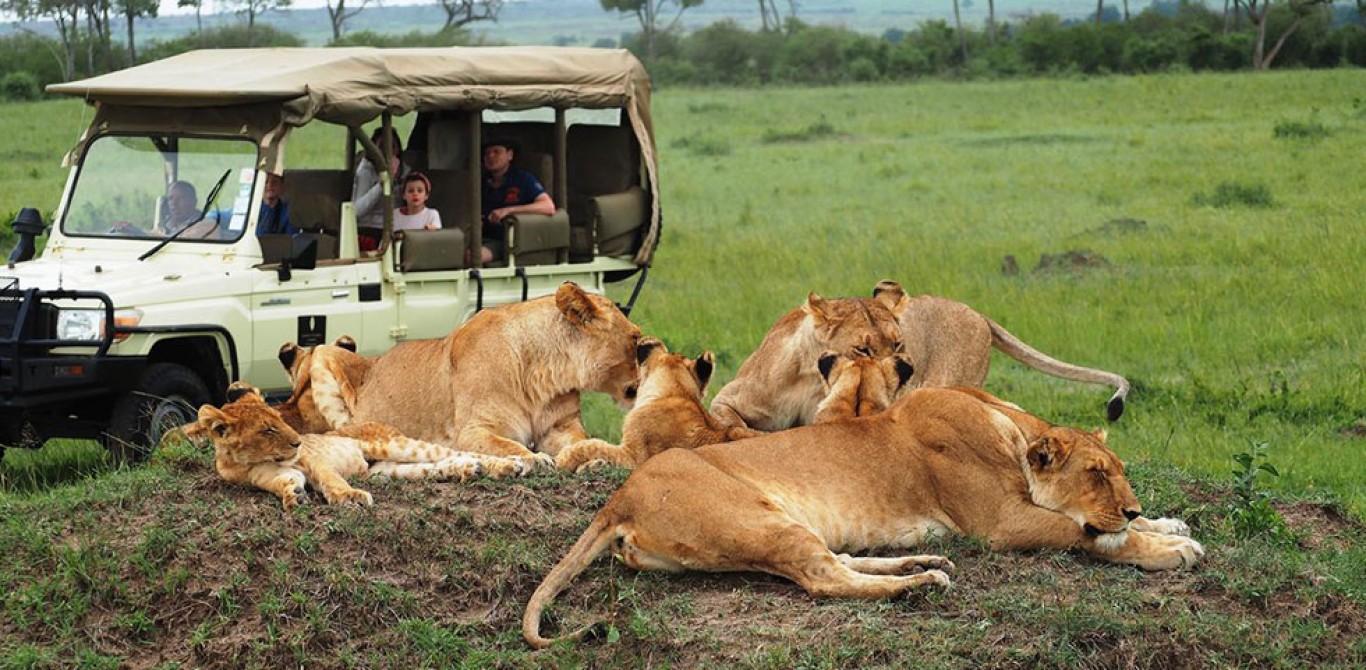
In Kenya, game drives are the most sought-after safari activities that pulls in almost every visitor. Expert drivers who are well versed with the scenic routes, maneuver 4x4 vehicles across endless plains of the Maasai Mara where visitors get unmatched encounters of the Mara wildlife. Both morning and evening game drives are available, even though morning and afternoons offer the most rewarding wildlife sightings. Night game drives add an extra touch with the nocturnal animals.
Flying Safaris.
One of the best ways to have scenic transfers between parks in Kenya is by short flights. Small aircraft are available and provide breathtaking aerial views of the migrating animals and beautiful landscapes while saving time off longer distances on road.
Maasai village tours.
Many visitors in Kenya often love to visit the local homesteads of the Maasai also known as traditional manyattas, this is where they get exposed to Maasai culture like the Maasai warrior dances, beadwork, and cattle herding local methods. Such experiences support local livelihoods and bring a deeper connection between the local people and the international visitors.
Hiking the majestic Mount Kenya.
For seasonal hikers, and even first timers, Kenya safaris means taking at least short hikes to the magnificent Mount Kenya standing at 5,199 meters, given that it’s the continent’s second highest summit. Most used hiking routes include Sirimon and Chogoria that can take about 4 to 7 days to reach the highest point of this majestic natural attraction. Even though the turn up is not as that of Kilimanjaro, Mount Kenya brings a great looking scenery.
Beach holidays at Mombasa.
After days in the dusty and bush, visitors can wrap up on white-sand beaches, turquoise waters, while exploring historic Swahili towns.
Tips for Preparing Successful Kenya Safaris.
Securing your booking early is imperative. For early preparations and to avoid last minute pressure, travelers are advised to book their park tickets early especially during peak migration season around July to October.
Balancing your travel plan is crucial. A typical 7 to 10-days trip might include 2 to 3 nights in the Maasai Mara, 2 nights in Amboseli, and ample time for Nakuru or Samburu.
Supporting responsible tourism. Selecting tour operators dedicated to ethical wildlife sightings, community partnerships, and environmental conservation is key for a full unmatched Kenya travel experience.
Visit Kenya
The ideal time to visit Kenya for Safaris
The dry season.
To ensure a seamless Kenyan safari, the drier period between June to October is considered the prime time to visit given that it has drier paths, shorter vegetation, and the wildlife tends to concentrate on the remaining water sources making sightings smooth, and game viewing outstanding. This period also aligns with the peak period of the migrating animals in the areas of Maasai Mara making it a more favorable season to visit.
The shorter period between July and August is loved by many, even though it remains busier. January to February offers another perfect window for Kenya visit, with abundant wildlife concentrations, mild weather conditions, and fewer crowds compared to the longer dry season. Thrilling hikes on Mount Kenya are smoothly undertaken during the dry season considering the hiking trails are drier and easy to maneuver.
Wet season.
The heaviest downpours in Kenya often arrive between March to May, bringing greener landscapes and friendly rates, even though some roads may become hard to navigate. Light rains often occur around November and December and usually draws in visitors who seek privacy and budget friendly lodges.
